

Transportation, Aviation & Rail Operations
The shared map transport operators run their networks from
Station managers, route engineers and aviation duty teams use Pin Drop to plot every depot, platform, runway, taxiway and trackside cabinet, and to coordinate access work against the windows that are actually available.


BEST OF 2013
Rated 4.7/5


FEATURED APP

Networks have geometry, not lists
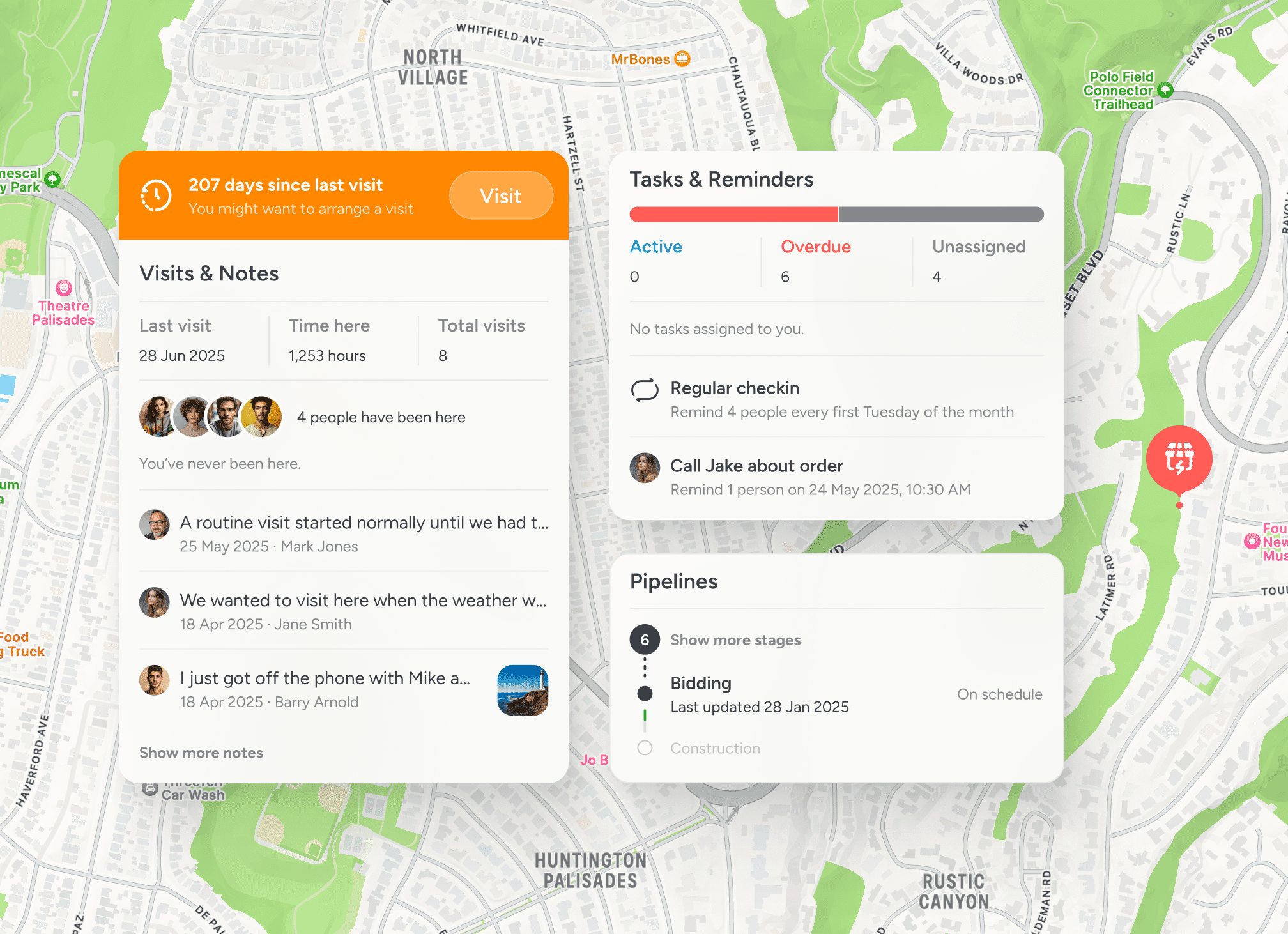
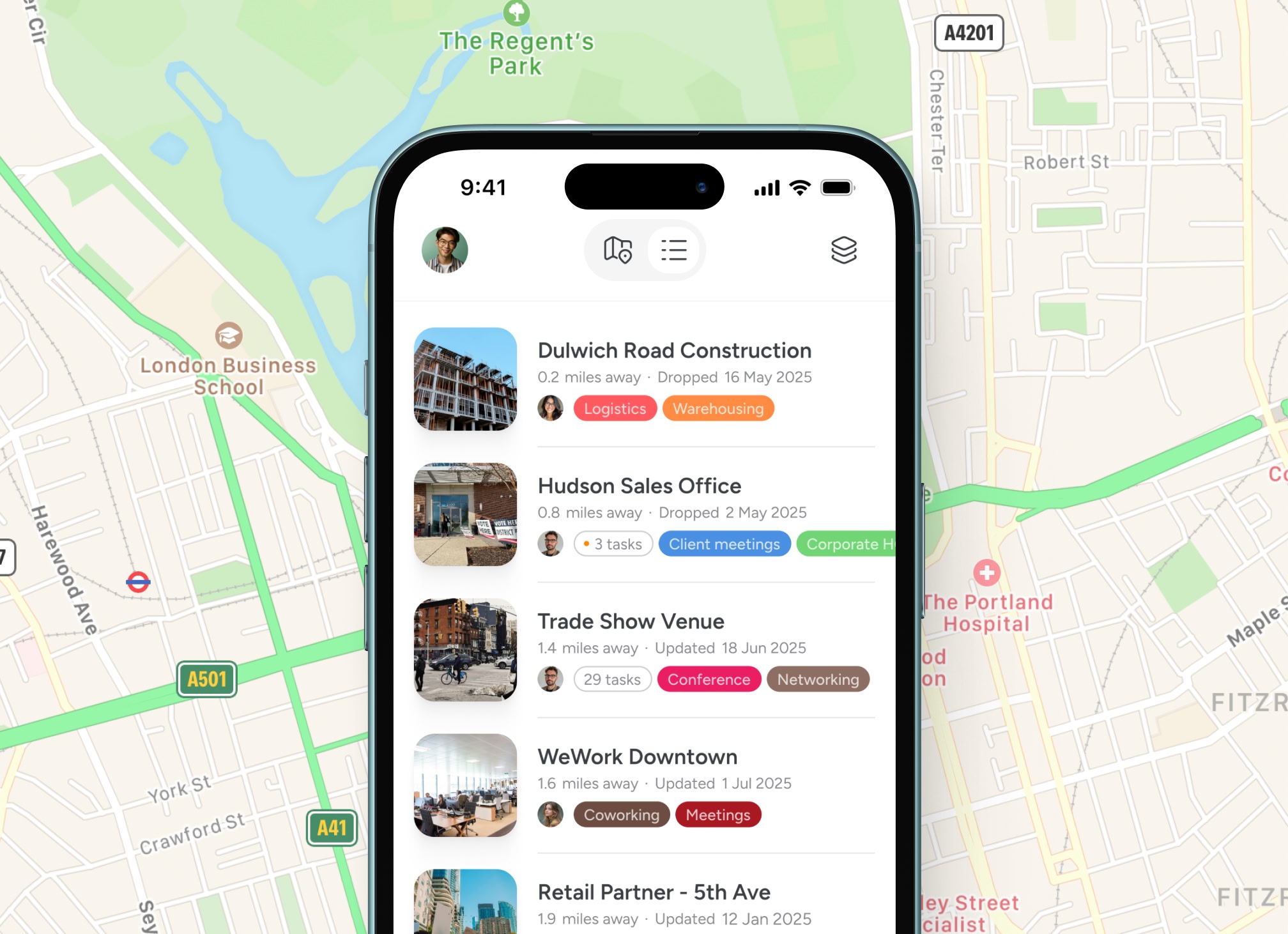
A regional rail operator working between London Bridge and Brighton has 24 stations, four depots, dozens of signalling cabinets and a maintenance access matrix that changes with every timetable revision. A pinned network is the only way the on-call engineer at 02.30 can see what is closest to the failure.

Possession and isolation windows on the map
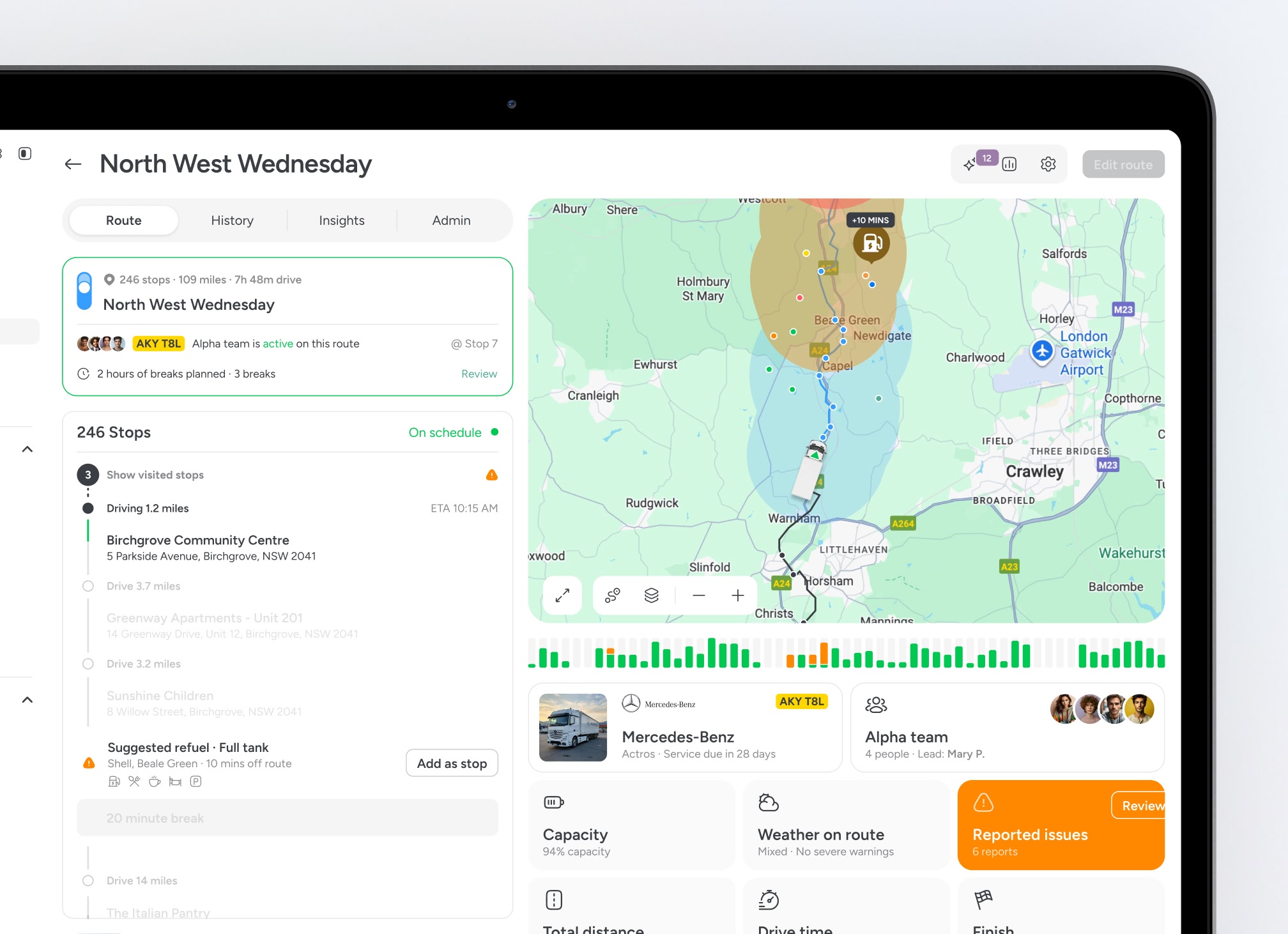
Trackside work runs in possession windows. Airside work runs in slots set by the duty controller. Pin Drop lets the planner overlay the night's possessions or the morning's airside permit zones on the map, so the engineer arriving at site already knows the cut-off and the safe walking route.

Coordinate inspectors across a long, thin patch
A rail S&T team covers a route, not a town. A bus depot operator covers a region, not a building. Territories drawn down a route or around a depot catchment mean each inspector opens an app showing the assets that belong to them, with the latest fault tickets already loaded.

An ORR or CAA inspection trail that already exists
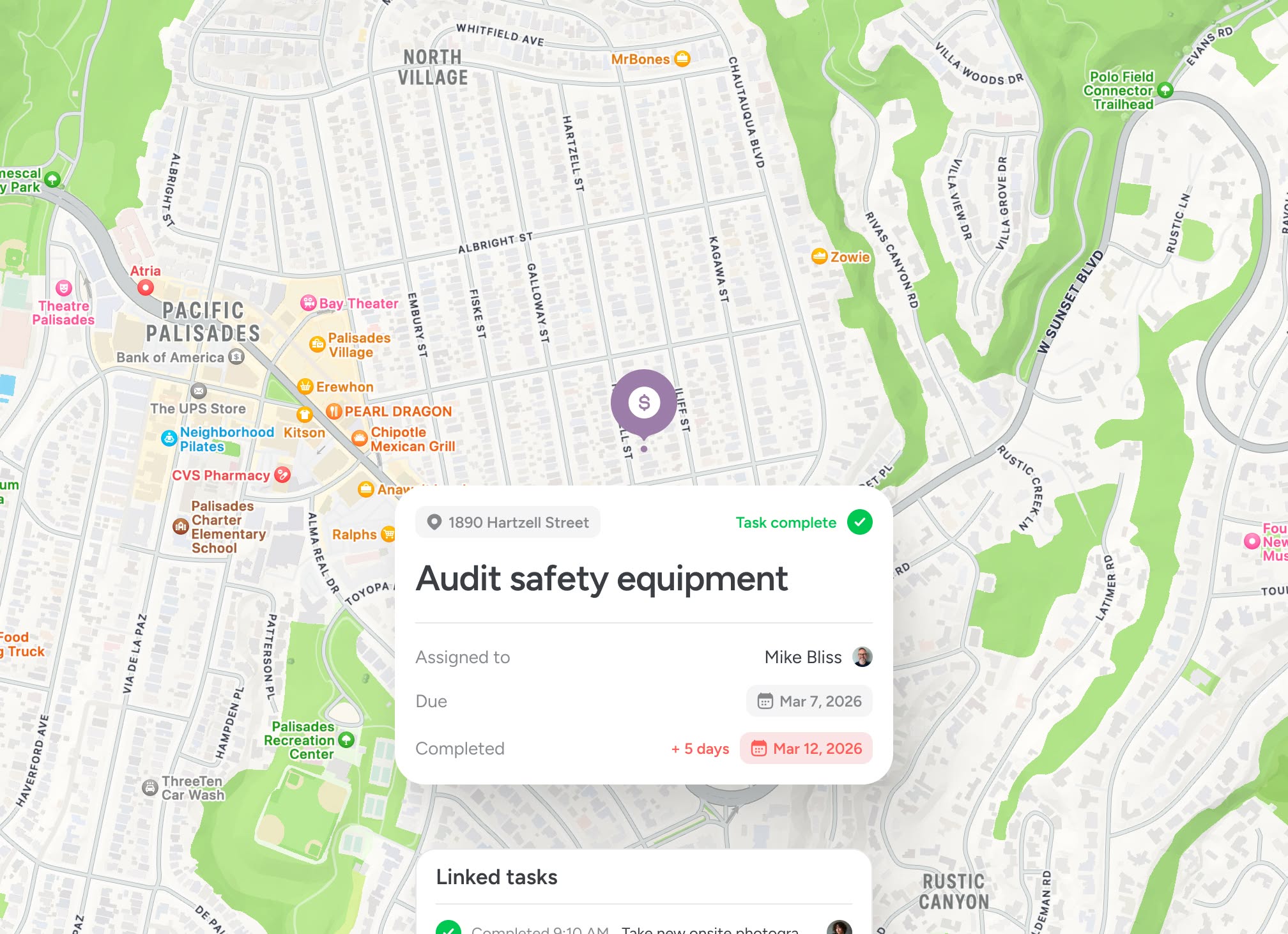
When the Office of Rail and Road or the Civil Aviation Authority asks for the maintenance and inspection trail on a specific asset, the map already holds it. Photos, gauge readings and condition notes pin to the asset rather than scattering across emails. Rated 4.7 out of 5 from over 1,400 reviews.
Possessions, slots and a permit-to-work view
From the platform end to the runway threshold

Operations that depend on access, not just assets
What makes transport different from other infrastructure is that you cannot just walk up to the asset. A rail engineer cannot inspect a track circuit during traffic hours. An aviation ground crew cannot service a stand while the gate is in use. Bus engineering happens between the last service and the first depot move. Pin Drop maps the windows as well as the assets. The route engineer planning a Sunday possession on the West Anglia route opens the map, sees the four cabinets due an inspection, the two cable joints flagged amber, the access steps, the welfare van location and the sign-out point. The plan that comes out of that session is a route on the map, not a paragraph in an email. The CAA airfield inspection regime, with its categorised aerodrome standards under CAP 168, drops onto the same workspace. The same map runs the night.
Testimonials
Trusted by UK transport, rail and aviation operators
From train operating companies and freight operators to regional bus groups and major UK airports, transport teams use Pin Drop to keep network operations honest. Rated 4.7 out of 5 from over 1,400 reviews.









“Having every inspection site mapped has improved visibility across our maintenance operations.”

Anna Banks
Rail Infrastructure Manager
“Logging updates directly against locations keeps our operational records organised.”
Dave Martin
Aviation Operations Supervisor
“We finally have clear visibility across our sites without relying on separate reports.”
Carlos Alvarez
Transport Network Manager
Guided walkthrough
See network operations on a shared map
Walk through how a route engineer plans a Sunday possession, briefs the gang on the access points and signs the work off against the assets that already live on the map.


